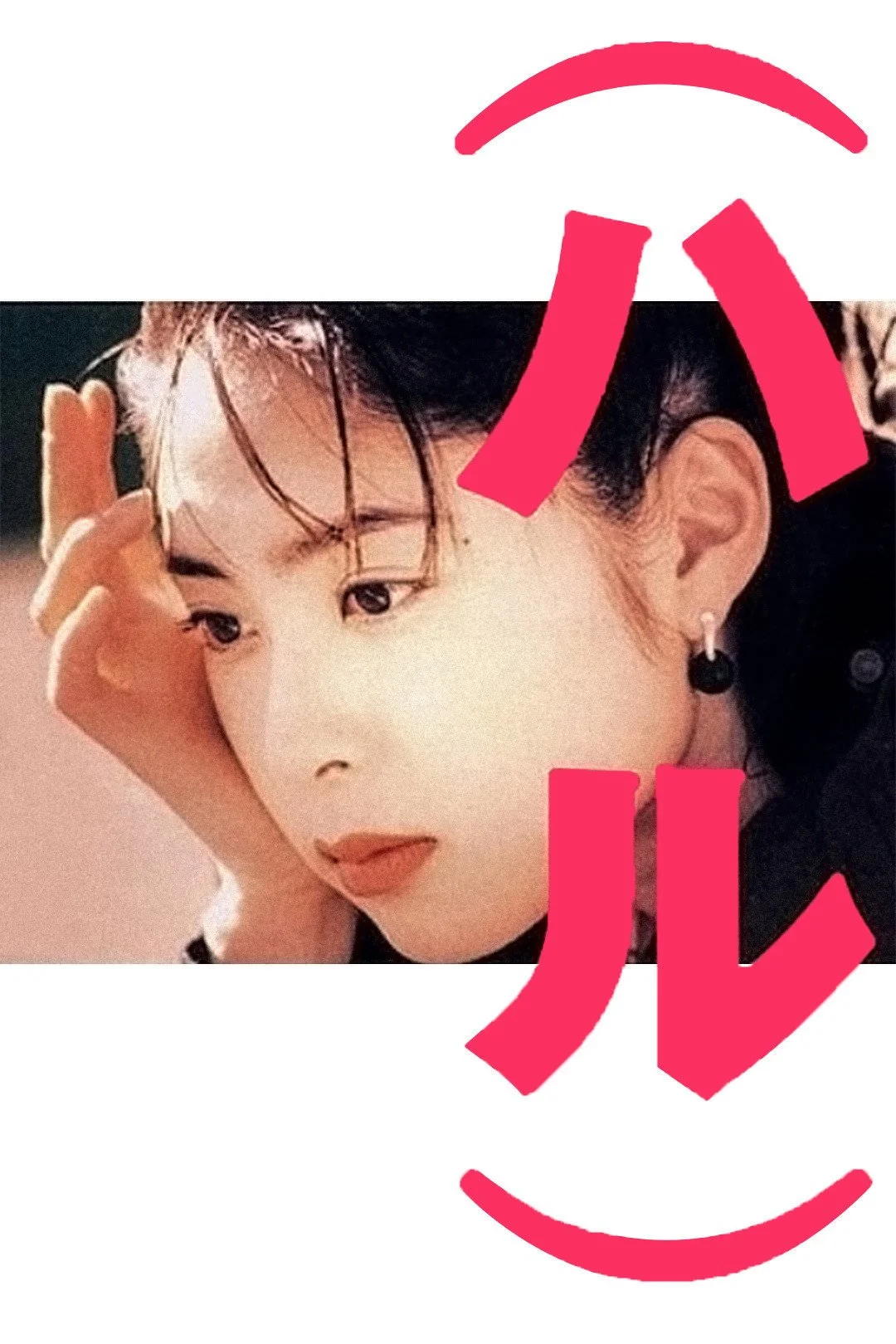
Love by Email.
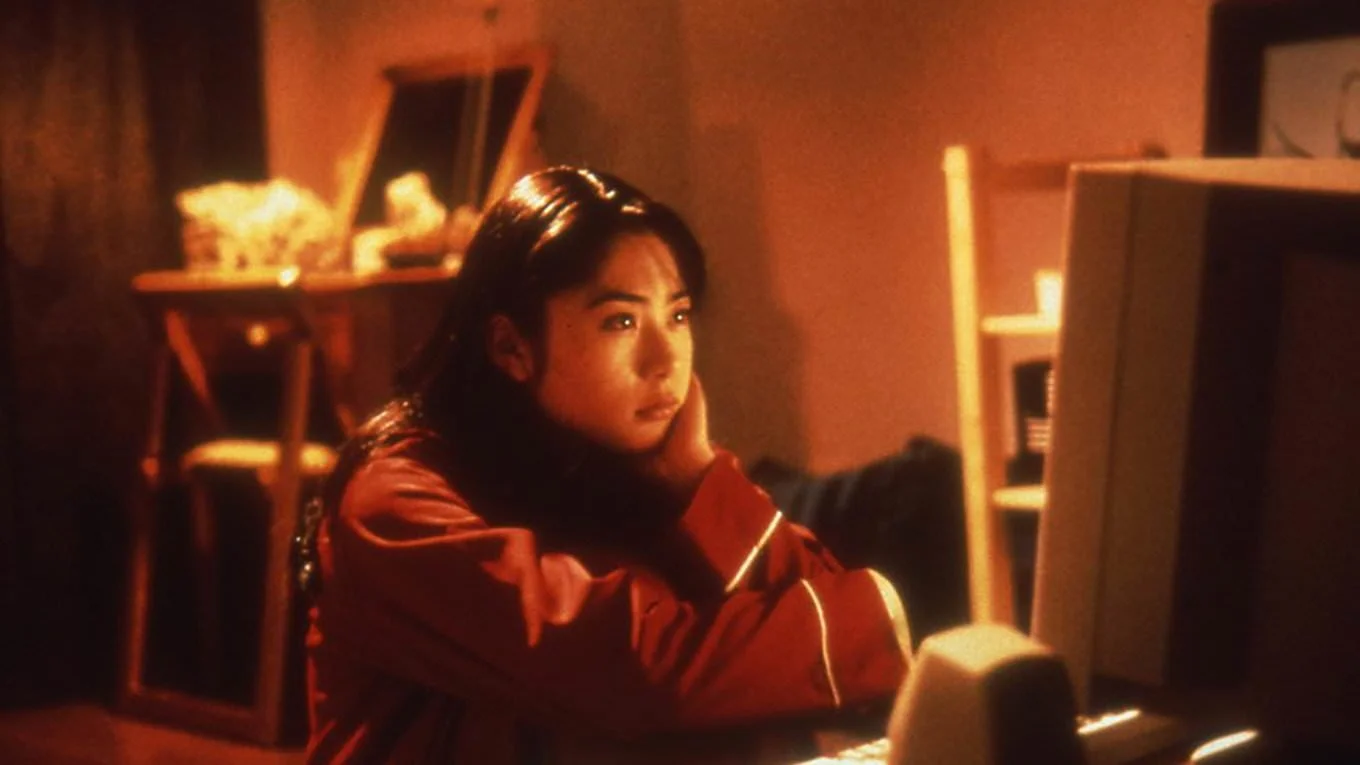
This is the story of two people who fall in love through email exchanges.
It is the 1990s: the Internet is slowly arriving and transforming the ways we communicate. Forums are becoming new places for exchange and connection, and it is precisely there that our two characters, Haru (Seiyo Uchino) and Hoshi (Eri Fukatsu), meet. On a film forum — which strikes me as a lovely nod from director and screenwriter Yoshimitsu Morita, given how many intriguingly “anti-cinematic” sequences he stages throughout the film.
After this meeting, among other film lovers, Haru and Hoshi decide to communicate by email, a more private, more intimate medium. An epistolary relationship gradually takes shape and slowly awakens romantic feelings in both characters. For us, the viewers, it is a matter of text cards filled with their emails, with no voices. This is why I spoke of sequences that are “intriguingly anti-cinematic,” even though I do not mean it as criticism. There is a strange, soothing calm that emerges from this approach.
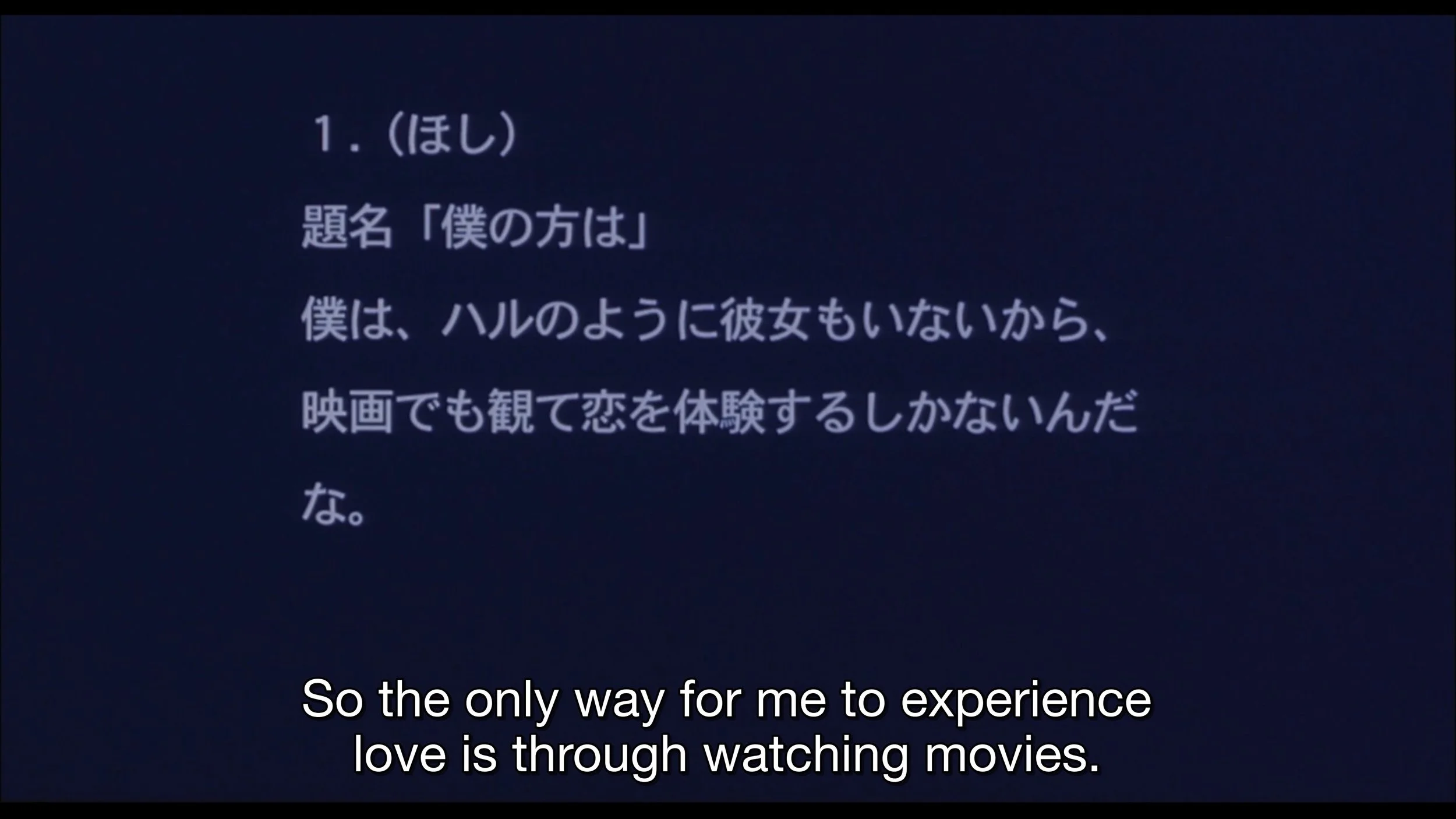
Watching this film thirty years after its release, in an age of social media, instant messaging, and dating apps, feels almost like a relief. When you think about it, email is certainly an instant way of sending and receiving messages, but it belonged to a time when there was no particular pressure to reply within minutes. It is a kind of perfect compromise between rapid communication technology and handwritten letters from the pre-Internet era. That was the first thing that struck me about the film.
While this feeling is closely tied to the time in which I discovered the film, it seems to me that this way of communicating is never really a subject in itself. This is a love story that develops slowly and, in many ways, might never have come to fruition. But some relationships need time to blossom, perhaps even distance. That is what seems to me to be the most important thing to take away from the film.
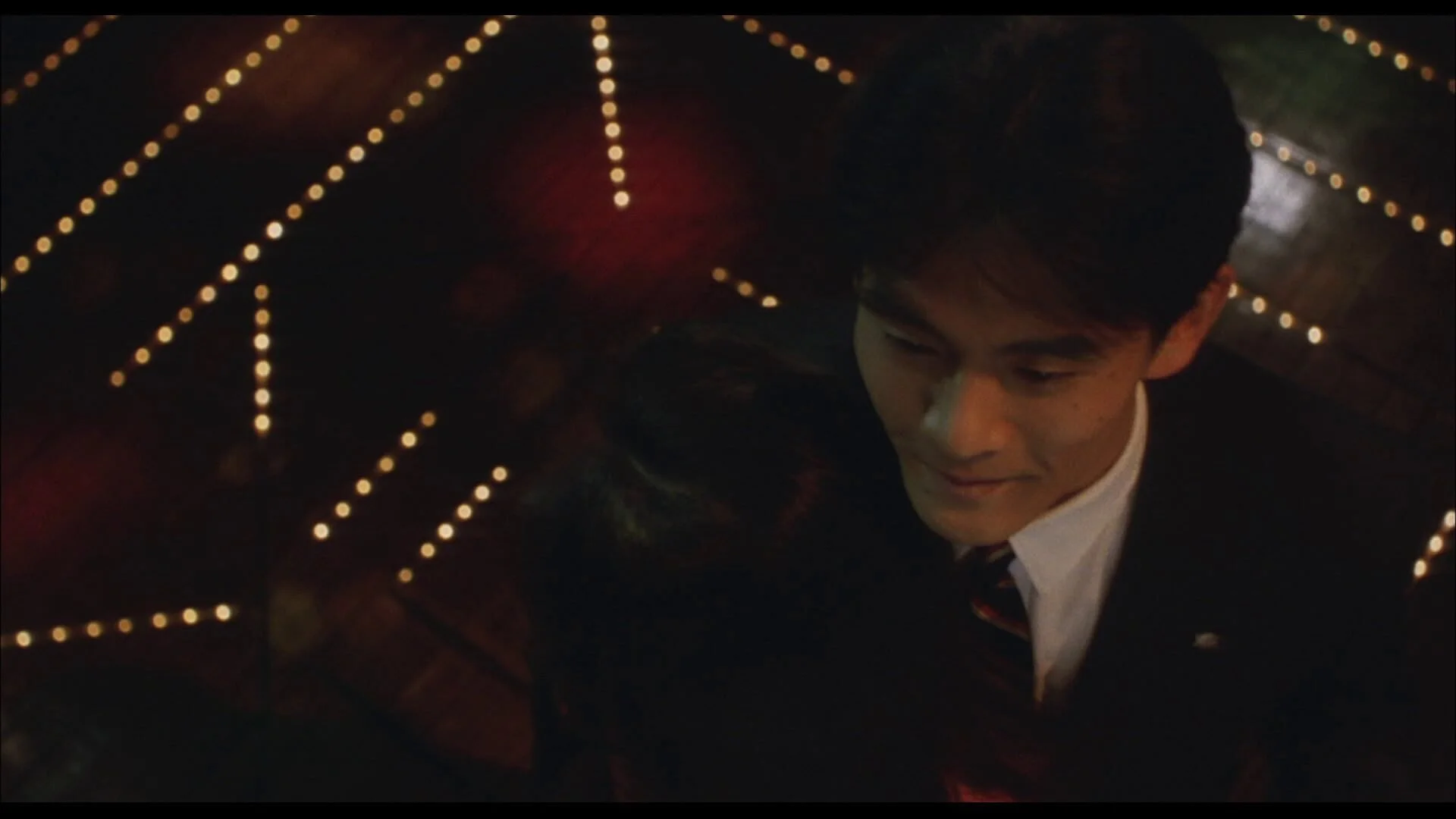
Because it is also the story of two sensitive, shy people, their exchange of emails becomes a genuine, almost daily ritual, shared from the reassuring comfort of their respective homes. At certain moments in the plot, a lack of response becomes a source of anxiety, foreshadowing, as I mentioned above, the pressure to reply quickly — almost immediately — that we know today. But here, waiting unfolds over days rather than minutes or seconds. A ritual so emotionally precious that their real-life meeting seems to be unconsciously postponed, for fear of losing that connection for good.
The film leaves us with a timeless, universal question: “Can you fall in love with someone without ever having seen them?” Rather than offering a definitive answer, it observes how a connection can take shape, deepen, and become essential before a meeting has even taken place.
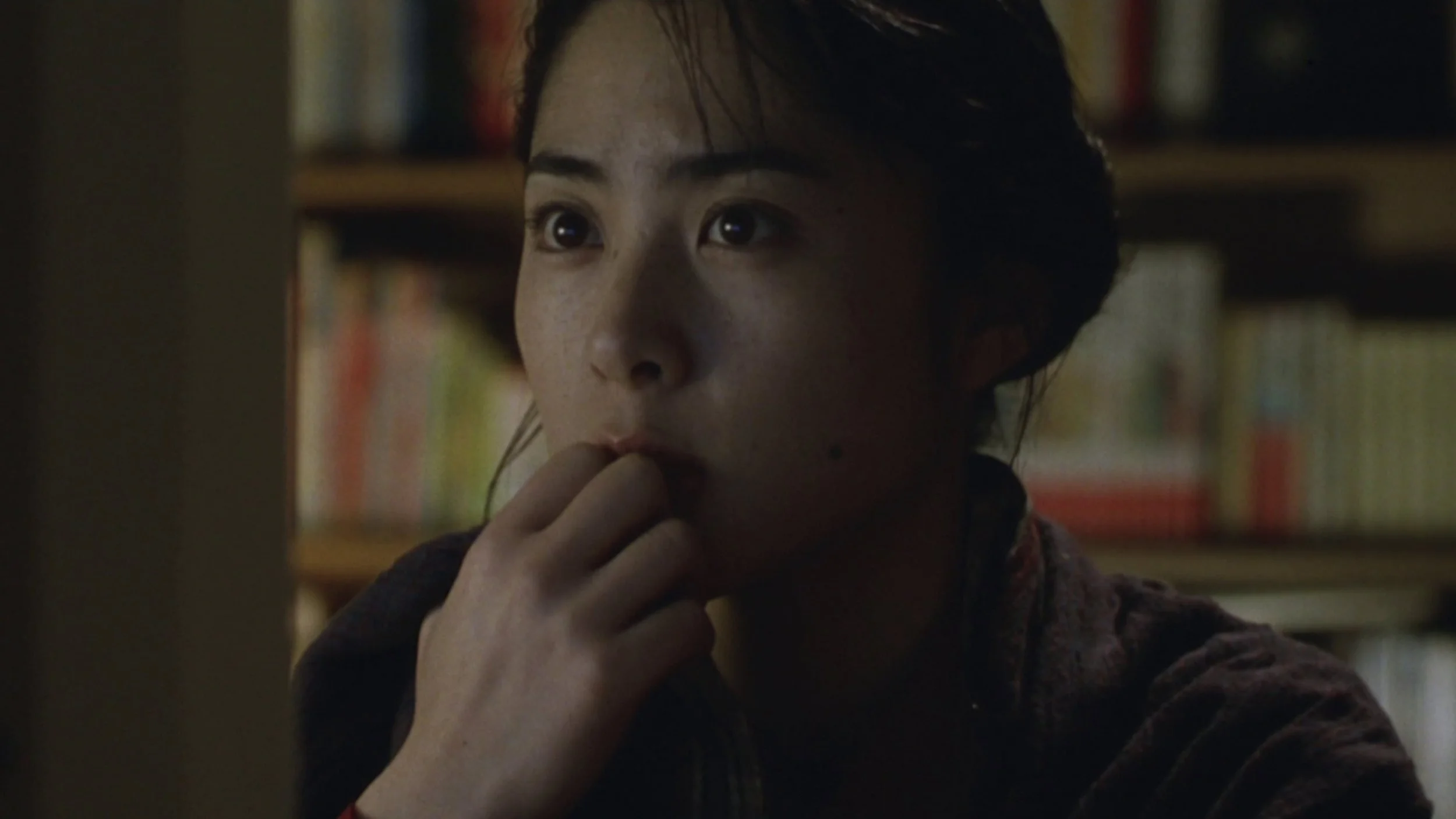
Three quarters of the way through the film, a first meeting takes place, as fleeting as the device imagined by the characters. Haru takes a train through the city where Hoshi lives, and they decide to film each other from a specific spot: Haru from the train window, Hoshi from beside the railway tracks. They catch their first glimpse of one another in motion, going against the grain of the film’s entire mise-en-scène, made up of text cards and everyday vignettes.
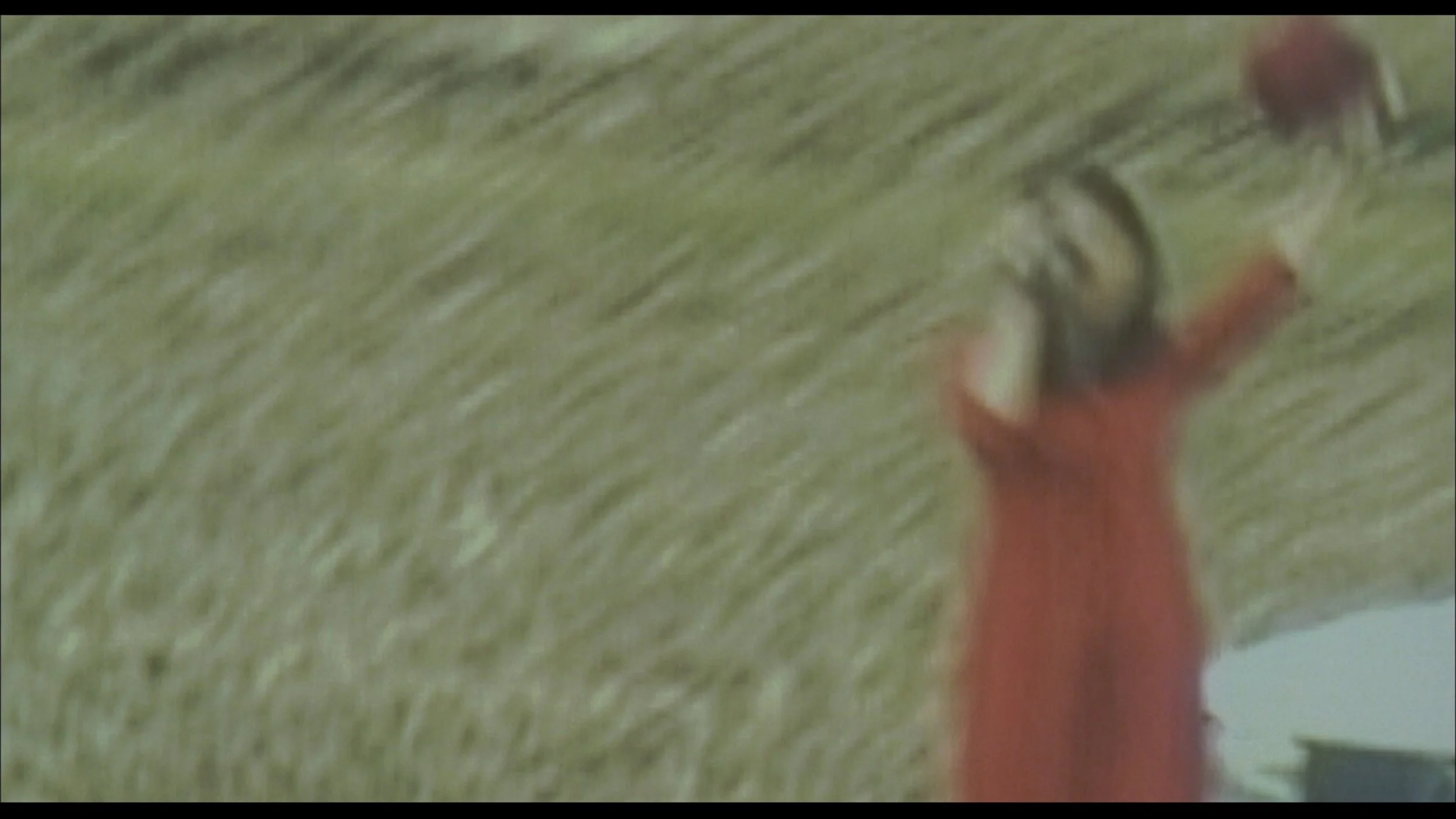
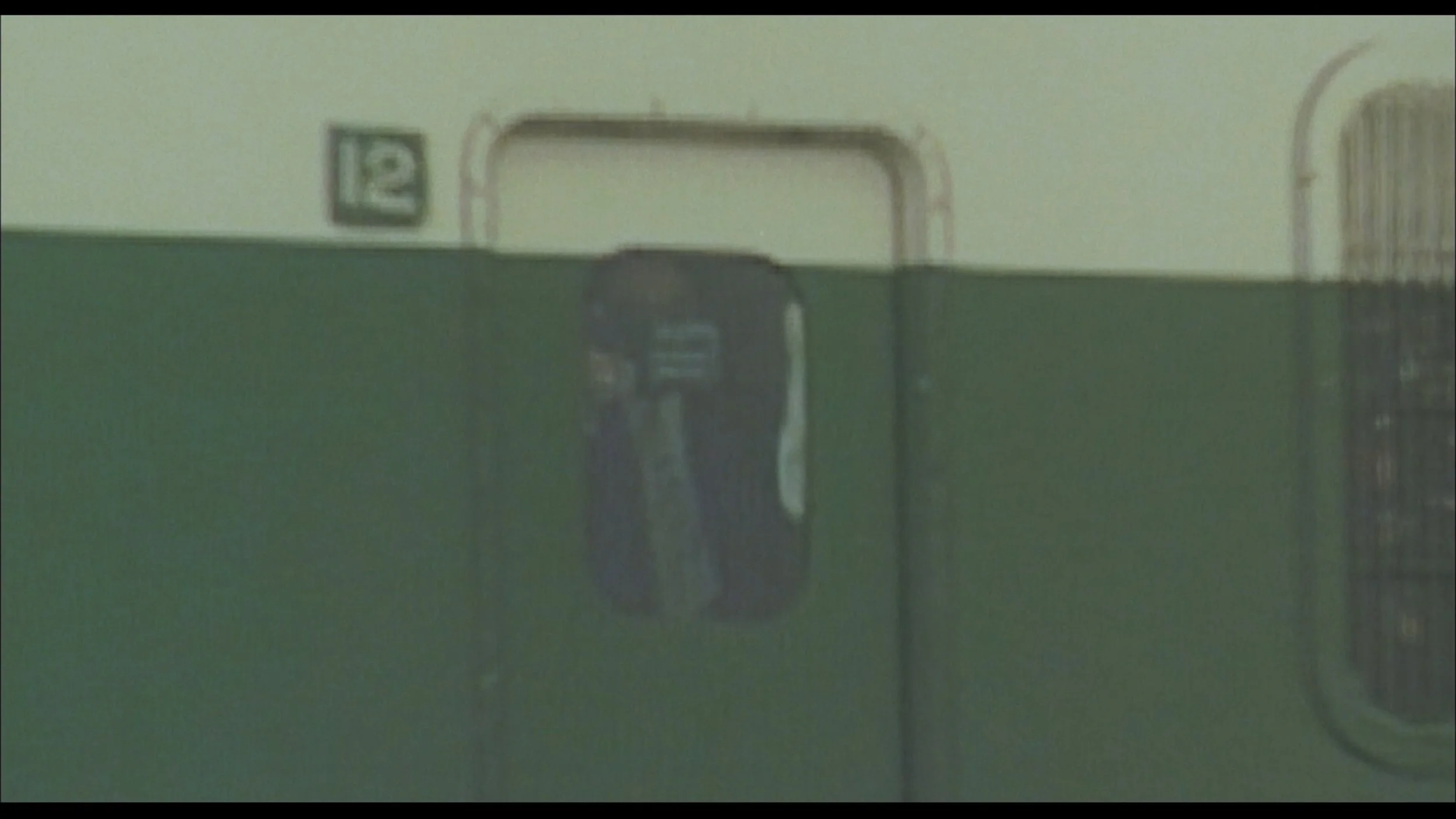
The train will not slow down for them, and perhaps it is precisely this final safety net that reassures them: “I want to see you, but I want to be able to run away.” The images are as funny as they are poetic. The director does not shy away from the reality of speed, showing us what Haru and Hoshi see through their camcorders: figures stretched out by motion blur. Hoshi’s red dress, like a brushstroke on the canvas. An Impressionist abstraction that will haunt them again and again, until a possible true meeting. A very beautiful sequence.
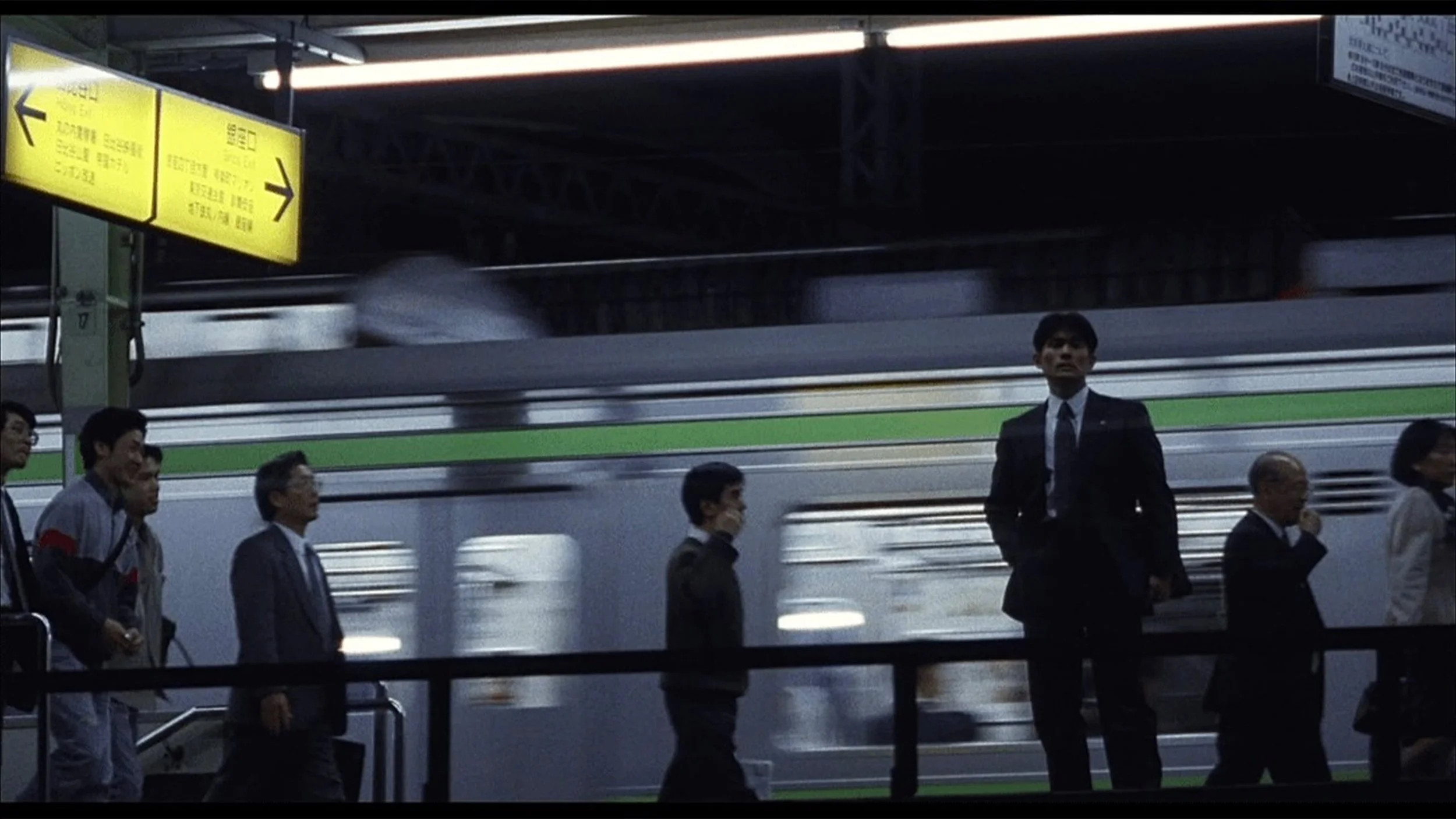
The everyday vignettes show us Haru and Hoshi alternately, in their solitude and emotional desolation. Their textual rendezvous then become as much a refuge for us as for them, because it is precisely through these messages that we discover their thoughts and personalities. The film almost places us in the same position as the characters, but alternately. We are thus immersed in a kind of private diary, and it is amusing to watch Haru invent little lies to embellish his life for Hoshi. A reflex that remains relevant today, when we consider our use of social media and the urge to embellish appearances. He will feel guilty and confess it to Hoshi.
There is no great drama in this film. Everything is gentle and simple. We move through it at the pace of its characters, without judgment. Watching it almost had a meditative effect on me. This is my first Yoshimitsu Morita film, even though I had been hearing good things about him for a long time. I am therefore not yet able to place Haru within the full scope of his work. But discovering this film has clearly made me want to explore the rest of his filmography.